
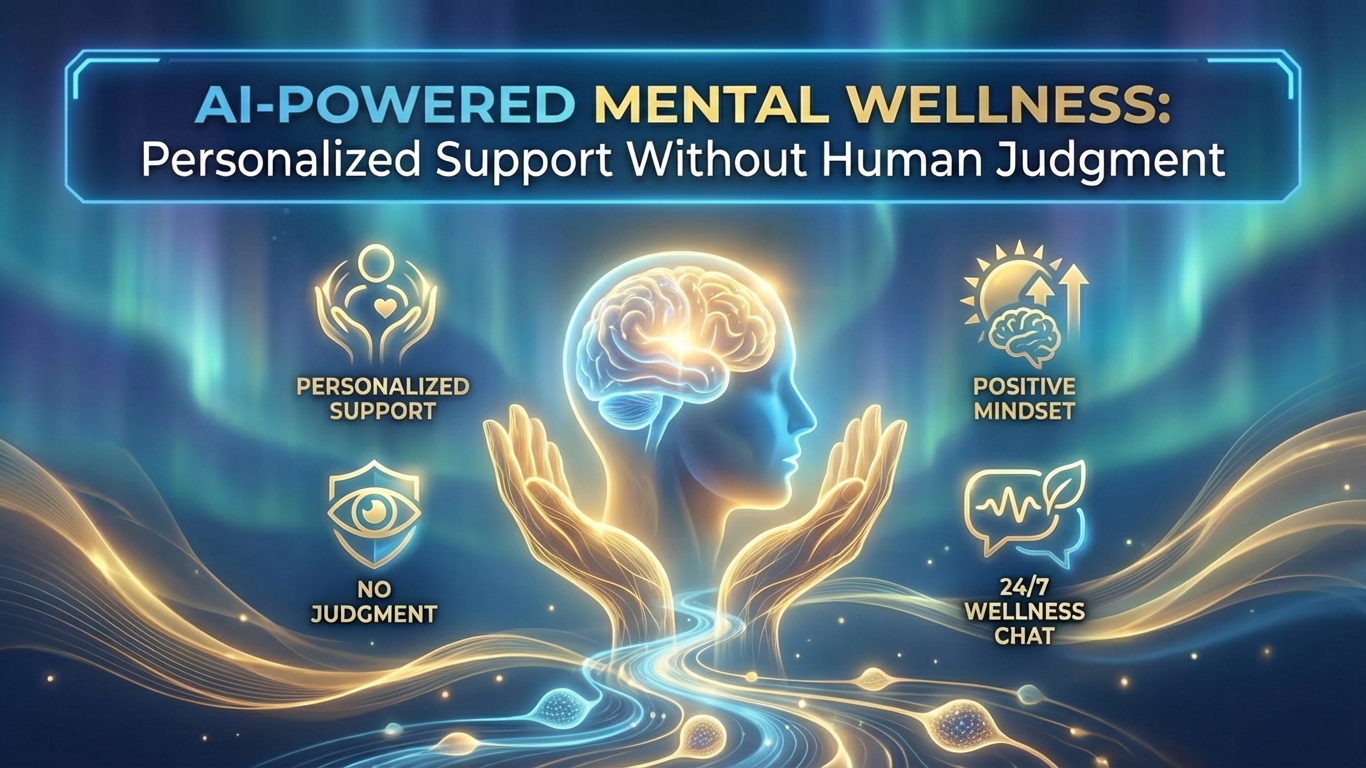
AI-Powered Mental Wellness: Personalized Support Without Human Judgment
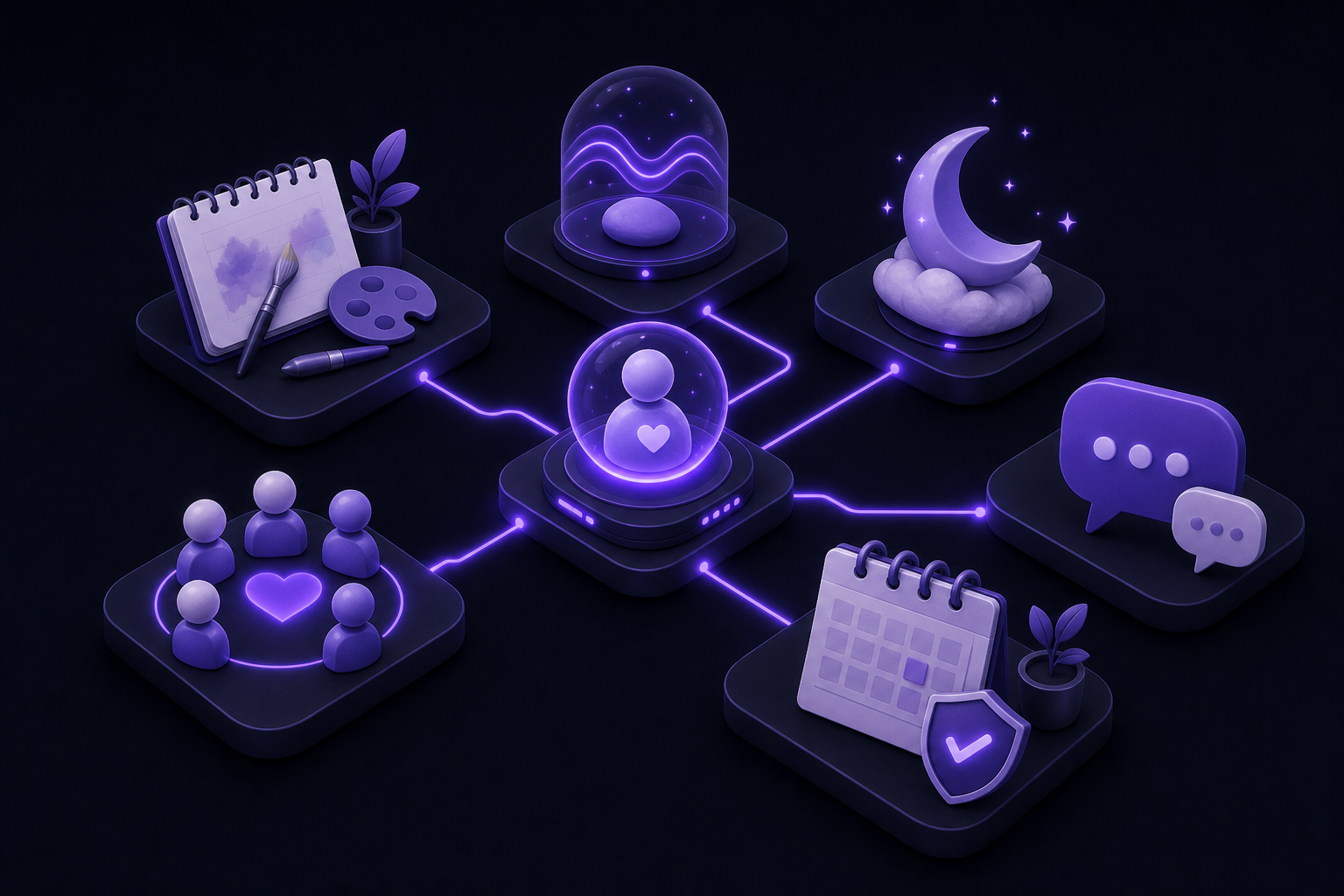
AI will not replace therapists. It can lower the friction of getting support when waiting lists are long, stigma is high, or you need a judgment-light space at 1 a.m.
That is why searches for AI mental wellness, AI therapy apps, digital CBT, mindful creativity tools, and burnout prevention keep rising. The useful version of this category is not a miracle chatbot. It is a layered system: daily regulation rituals, optional check-ins, sleep/stress awareness, clear crisis escalation, and human care when problems are clinical.
This guide focuses on what AI wellness tools can and cannot do, how to build a cautious stack centered on Museit.art (listed on Skowers), and which complementary productivity tools reduce the lifestyle load that fuels burnout. None of this is medical advice.
Crisis First (Do Not Skip)
If you are in immediate danger or thinking about harming yourself, do not use an AI app as your primary help line. Contact local emergency services, a trusted person, or a crisis resource such as https://www.findahelpline.com (global directory) or, in the U.S., 988. AI tools can complement care. They cannot run crisis medicine.
What AI Wellness Is—and Is Not
AI wellness tools usually help with:
- Low-friction mood check-ins and coping prompts
- Structured CBT-style thought exercises
- Habit scaffolding (journaling, breathing, creative micro-tasks)
- Pattern visibility from sleep/activity data (imperfect, but useful)
- Reducing stigma by offering a private first step
They generally cannot:
- Diagnose psychiatric conditions
- Prescribe or manage medication
- Replace trauma therapy or care for severe mental illness
- Guarantee privacy unless you verify the vendor’s policies
- Intervene like a licensed emergency clinician
Treat AI wellness as support and prevention, not a full clinical system.
Privacy Guardrails Before You Share Anything
- Prefer tools with clear data policies; assume chats may be logged.
- Avoid putting employer-identifying details, legal situations, or medical chart dumps into random companion bots.
- Separate “creative wellness” accounts from work accounts when possible.
- Do not assume AI chat is HIPAA-covered unless the product explicitly is.
- Track which subscriptions you keep in the Skowers Dashboard so wellness and productivity apps do not silently renew while adding stress.
Layer 1: Mindful Creativity — Museit.art
For many people, the missing piece is not another mood survey—it is a short, non-judgmental way to engage attention without doomscrolling.
Museit.art sits at the intersection of guided creativity and mental engagement. Short daily tasks (sketch a texture, write a micro-story, build a palette) give structure without perfectionism pressure. Mindful scrolling through creator-oriented feeds can replace toxic algorithmic feeds with inspiration that still feels social.
Why this layer matters:
- Creates a daily ritual of completion (mood often improves when you finish small things)
- Channels restless energy into making instead of refreshing
- Soft community without the ranking anxiety of mainstream social platforms
- Especially useful for creatives with blocks, burnout, or numbness who need gentle activation—not a lecture
Use Museit.art as a foundation habit: one small task most days. Measure how you feel afterward for two weeks—not whether the art is “good.”
Layer 2: Conversational Support (CBT-Style Companions)
Category examples people commonly evaluate (availability and features change—verify current offerings): Woebot-style CBT chat, other emotional-support companions, and guided check-in apps.
How to use them well:
- Start with structured CBT or journaling modes, not open-ended “friend” roleplay if you are vulnerable to dependency.
- Set a timer (10–15 minutes). Tools should help you regulate, not become the whole evening.
- Export or summarize insights for a human therapist when relevant—do not assume the bot reports to anyone.
- Escalate to humans when symptoms persist, worsen, or include safety concerns.
These tools can be a strong first step for mild anxiety/stress loops. They are not a stand-in for clinical care.
Layer 3: Sleep and Stress Awareness
Sleep and nervous-system load shape mental wellness more than most app UIs admit. Wearables and sleep coaches (Oura-style rings, Muse-style meditation feedback, sleep apps) can surface patterns: late caffeine, weekend crash sleep, meeting-dense weeks before mood dips.
Rules:
- Treat scores as trends, not moral grades.
- Change one variable at a time (bedtime consistency beats buying more sensors).
- If sleep issues are severe or chronic, talk to a clinician—gadgets alone rarely fix apnea or clinical insomnia.
Layer 4: Burnout Prevention From Work Systems (Often Missing)
Mental wellness apps fail silently when calendars and inboxes stay abusive. Pair wellness rituals with load reduction:
Reclaim protects focus and personal buffers so recovery time is not the first thing meetings delete.
Lindy can take admin coordination pressure off founders and professionals drowning in email/scheduling—cognitive load is a mental health issue even when it is not a psychiatric diagnosis.
Miro helps externalize overwhelm: dump racing thoughts, sprint backlogs, and “open loops” onto a board so your head is not the only storage device.
This is the stack piece most wellness articles skip—and the one many remote workers need most.
Three Practical Stacks
Creator / burnout recovery stack
- Daily micro-task in Museit.art
- One CBT-style check-in app for cognitive loops (category pick)
- Reclaim for protected offline hours
- Optional sleep awareness device if sleep is the bottleneck
High-anxiety professional stack
- Short morning reset (breathing + 5-minute creative task in Museit.art)
- Structured thought journaling / CBT companion for spirals
- Lindy + Reclaim to cut coordination chaos
- Weekly Miro brain-dump to close open loops
- Human therapist or coach if anxiety stays clinical
Prevention-first lifestyle stack
- Creative ritual (Museit.art)
- Sleep consistency tracking
- Calendar boundaries (Reclaim)
- Monthly Dashboard review: cancel tools that create more guilt than help
14-Day Starter Plan
Days 1–3: Crisis resources saved. Privacy rules set. One Museit.art task daily.
Days 4–7: Add a single CBT or journaling companion for 10 minutes max. Note mood before/after.
Days 8–11: Fix one work stressor—block evening buffers in Reclaim or clear inbox rules with Lindy.
Days 12–14: Review: sleep, mood, and whether any tool increased dependency or guilt. Keep only what clearly helps. Book human help if you are stuck.
Common Mistakes
- Using AI companions instead of crisis lines during emergencies.
- Collecting five wellness apps and finishing none.
- Treating wearable scores like verdicts on your worth.
- Confiding sensitive medical/legal details into unverified bots.
- Ignoring calendar/inbox burnout while expecting a creativity app to fix everything.
- Avoiding therapy for trauma or severe symptoms because an app “feels enough.”
How to Measure Whether It Is Working
Track lightly for two weeks (private notes are fine):
- Sleep consistency
- Mood after daily creative ritual
- Number of doomscroll sessions replaced
- Meeting hours that invaded personal time
- Whether anxiety spirals shorten with CBT exercises
- Whether you feel more agency—or more shame—from the tools
If tools increase shame, stop them. Wellness tech should reduce load, not invent a new self-improvement treadmill.
Honest Limits of the Evidence
Some clinical studies support structured digital CBT for mild-to-moderate symptoms, and creative engagement and social connection have long-standing wellness research behind them. Results vary widely by person, severity, and product quality. Be skeptical of any marketing that promises psychiatry in an app store listing.
Next Step
If creative engagement and doomscroll replacement are the gap, start with Museit.art. If work boundaries are the gap, start with Reclaim. If admin overload is the gap, start with Lindy. If thoughts feel tangled, dump them into Miro and keep a short CBT check-in habit—then involve a licensed professional when symptoms persist or escalate.
Browse related tools on Skowers, keep only what you actually use, and treat AI wellness as a bridge to healthier days—not a substitute for human care when you need it.

Related Articles


Continue Your Research